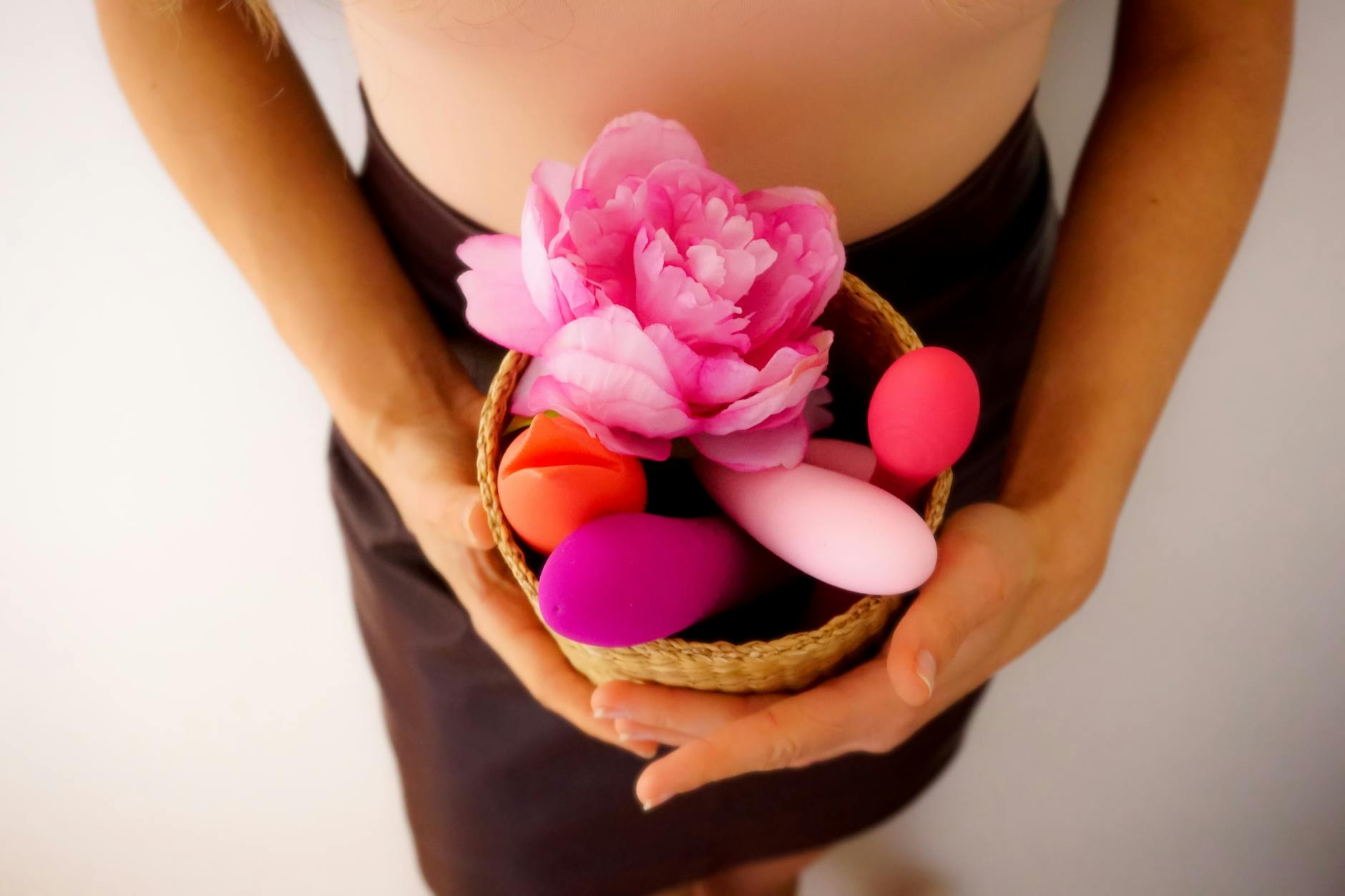
Here's what sensitive tissue actually needs
Let's be real. If your clitoral tissue is raw, irritated, or numbing easily with traditional vibrators, you've probably already tried backing off the intensity. And it either didn't help, or it left you frustrated because you need real sensation to actually feel pleasure.
The problem isn't that you're broken. It's that you're using the wrong tool.
Friction-based vibrators work by moving back and forth rapidly. That's great for some bodies. But if your tissue is already depleted or irritated, adding more micro-friction is like sandpapering a wound and wondering why it won't heal. Lemon clitoral vibrators work differently. They use air-pulse suction, which creates sensation through pressure waves instead of direct friction. This distinction changes everything.
How suction stimulation protects sensitive tissue
When you use a lemon vibrator, the suction mechanism gently draws the tissue into a soft cup. The pulsing air creates rhythmic pressure waves that stimulate the thousands of nerve endings in your clitoris without requiring any sliding motion against the surface.
This matters because your clitoral tissue is incredibly delicate. The epidermis (outer layer) is thinner than tissue anywhere else on your body. Add repetitive micro-friction from a traditional vibrator, and cells start breaking down. The tissue gets inflamed. Blood flow increases, which makes it feel more sensitive and reactive in the short term, but then depletes sensation in the long run. This is called vibratory numbing, and it's real.
Suction stimulation bypasses this entire problem. The tissue stays inside the cup, protected from external friction, while the air pulses deliver sensation that travels deeper into the nerve network. You're not sandpapering the surface. You're creating a chain reaction inside the tissue itself.
Why lemon vibrators feel intense without irritation
Here's the counterintuitive part: suction-based lemon clitoral vibrators often feel stronger than friction vibrators, especially if your tissue is sensitive. People sometimes assume gentler equals less intense. Nope.
Intensity and irritation are not the same thing. You can have high intensity without damage. That's exactly what air-pulse technology delivers.
When you start at a lower setting on a lemon vibrator like The Lem, the sensation is focused and deep rather than spread across the surface. As you move up through the intensity levels, the pressure waves build, but you're never adding friction. The nerves respond to the cumulative pressure, not the speed of movement. For people with sensitive tissue, this means you can actually reach strong orgasm without the rawness afterward.
Many of my clients report that traditional vibrators leave them sore for hours or days. With lemon vibrators, sensation stays clean. You feel amazing during, and your tissue stays calm after.
The difference between sensitivity and pain
Before we go further, I want to separate two things that feel similar but need different solutions.
Sensitivity is tissue that reacts strongly to stimulation. Sensitive tissue isn't damaged. It's just reactive. If this is you, suction-based lemon vibrators are your answer because they deliver intense sensation without friction.
Pain is different. If you experience sharp pain, burning, or stinging during or after stimulation, that's a signal that something needs attention. This could be genitourinary syndrome of menopause, an infection, micro-tears, or pelvic floor tension. Those all need professional evaluation. A good vibrator can help, but it's not the primary fix.
If you're in the pain category, see a pelvic health physical therapist or a gynecologist trained in vulvovaginal health before assuming the vibrator is the problem.
Building tolerance without numbing out
One of the best things about air-pulse lemon vibrators is that they let you build sensation gradually without the crash. Here's how to approach it if your tissue is easily irritated.
Start with pattern, not intensity. Most lemon vibrators have multiple patterns before they have intensity levels. Pick a pattern you like and stay there for a few sessions before moving to intensity 2. Your tissue adapts better to pattern variation than to power escalation.
Use lubrication even with external stimulation. Water-based lube isn't just for penetration. A little on the cup helps the seal work better and keeps the area hydrated. Don't skip this step.
Take breaks. If you've been numbed out from friction vibrators in the past, your nerve endings are recovering. Using a lemon vibrator for 15 minutes instead of 30 lets tissue rebuild sensitivity over time. More is not always better.
Avoid back-to-back sessions. If you use your lemon vibrator today, give your tissue 24 hours before you use it again. This sounds conservative, but it's actually how you rebuild long-term sensation rather than chasing numbing cycles.
Within a few weeks of this rhythm, you'll notice you feel things you couldn't feel before. Sensation returns because you're not depleting it.
When to combine lemon vibrators with other approaches
If your sensitive tissue is tied to emotional tension, pelvic floor dysfunction, or anxiety, a lemon vibrator alone won't solve it. It's a tool, not a cure.
For example, if your pelvic floor muscles clench when you try to use a vibrator, that tension will always make tissue feel tighter and more reactive. In that case, pelvic floor physical therapy or relaxation work needs to happen alongside the vibrator use. The same applies if anxiety shows up during stimulation. Your nervous system needs calming before sensation work will feel good.
But here's what I see in practice: when you remove the friction component, a lot of the tension naturally decreases. Because the tissue isn't being irritated, your body stops bracing against the stimulation. That alone can shift the entire experience.
If you've been using traditional vibrators and it's been painful, try a lemon clitoral vibrator for a few weeks. If sensation still feels wrong or pain persists, then bring in a pelvic health specialist. One step at a time.
The lemon vibrator advantage for medication-related numbing
If you're on antidepressants that numb sexual sensation, sensitive tissue can feel worse because the nerves themselves are less responsive. Adding friction on top of that depletion makes it nearly impossible to feel pleasure.
Lemon vibrators help here because they work differently. The air-pulse mechanism creates broader neural activation instead of relying on narrow, repetitive friction stimulation. For people on SSRIs or other medications that dampen sensation, this broader activation pattern often translates to actual feeling when traditional vibrators feel like nothing.
It's not a magic fix. But switching tool types can make a measurable difference in whether you can access pleasure at all.
Why your tissue matters as much as the vibrator
This is the part nobody talks about. The quality of the vibrator matters, but the quality of your tissue matters more.
If you've been using numbing-style vibrators for years, your tissue has adapted to that pattern. The nerves have basically checked out because they're overstimulated. Switching to a lemon vibrator will feel different immediately, but rebuilding full sensation takes weeks. Be patient with this. Your tissue is literally healing.
In the same way, if your tissue is irritated right now, jumping to the highest intensity on a lemon vibrator will just trade one problem for another. Start low. Build gradually. Let your body remember what pleasure without pain actually feels like.
You deserve stimulation that feels amazing and leaves you feeling good afterward. That's not a luxury. That's basic. And friction-free, suction-based lemon vibrators are specifically designed to deliver exactly that.
FAQ: Sensitive Tissue and Lemon Clitoral Vibrators
How long does it take for sensitivity to come back after switching to a lemon vibrator?
Most people notice a shift within 2-3 weeks of consistent use. Sensation deepens over months. If you've spent years with numbing vibrators, rebuild patience into your timeline. Your nervous system needs time to remember its own signals. Don't compare yourself to someone who's never been numbed. You're in recovery mode, and that takes longer by design.
Can I use a lemon vibrator if I have active irritation or rawness right now?
No. If tissue is currently raw or inflamed, give it a rest first. Use water-based lube, wear cotton underwear, and let it settle for 3-5 days. Once irritation subsides, a lemon vibrator is gentler than friction tools. But don't vibrate through active pain. That's your body's signal to pause.
Will a lemon vibrator feel weak compared to my old vibrator?
Probably not, once your tissue adjusts. Suction creates deeper, more focused sensation than surface friction. But because the stimulation pattern is different, it might feel unfamiliar for the first few sessions. Give yourself time to adapt. What feels soft at first often becomes your strongest sensation after a week or two.
Is water-based lubricant necessary with air-pulse lemon vibrators?
It's not strictly required, but it helps. Lube improves the seal and keeps tissue hydrated during stimulation. For sensitive tissue especially, this reduces inflammation. Use a small amount. The cup seals better with moisture.
Can sensitive tissue get irritated from lemon vibrators?
Rarely, if used correctly. The entire point of suction stimulation is that it doesn't create friction irritation. However, using maximum intensity too early, skipping rest days, or using without lube can create soreness. Treat a lemon vibrator as a tool to be gentle with, not a challenge to overcome. Slow, consistent use protects tissue while building sensation.
What if numbness returns even after switching to a lemon vibrator?
This usually means you're escalating intensity too quickly. Pull back. Use lower settings for longer. Extend rest days to 48 hours. If sensation still depletes, talk to a pelvic health specialist. Sometimes numbing is a sign of deeper tissue changes or medication side effects that need professional support alongside device changes.
Your tissue deserves better tools
For too long, the vibrator conversation has centered on power and speed. Stronger doesn't mean better. A lemon clitoral vibrator works differently because it understands that sensitive tissue needs protection, not punishment.
If you've resigned yourself to numb sensation or post-stimulation rawness, that's not your normal. That's a signal that your tool isn't right for your body. Switch approaches. Let your tissue heal. And then discover what sensation actually feels like when pleasure isn't wrapped up in irritation.
Have questions about finding what works for you? Get in touch. We're here to help.