Let's name what happened
If you were raised in a religious or conservative environment, or absorbed messaging that your body and its desires were wrong, that shame doesn't vanish the moment you decide to reclaim your sexuality. It lives in your nervous system. It shows up as guilt when you touch yourself, as freezing when a partner approaches, as a voice that says you're broken or undeserving of pleasure.
Shame is one of the most powerful blocks to arousal because it activates your threat response. Your body literally goes into fight-flight-freeze. You can't relax into sensation when part of you believes you're doing something shameful.
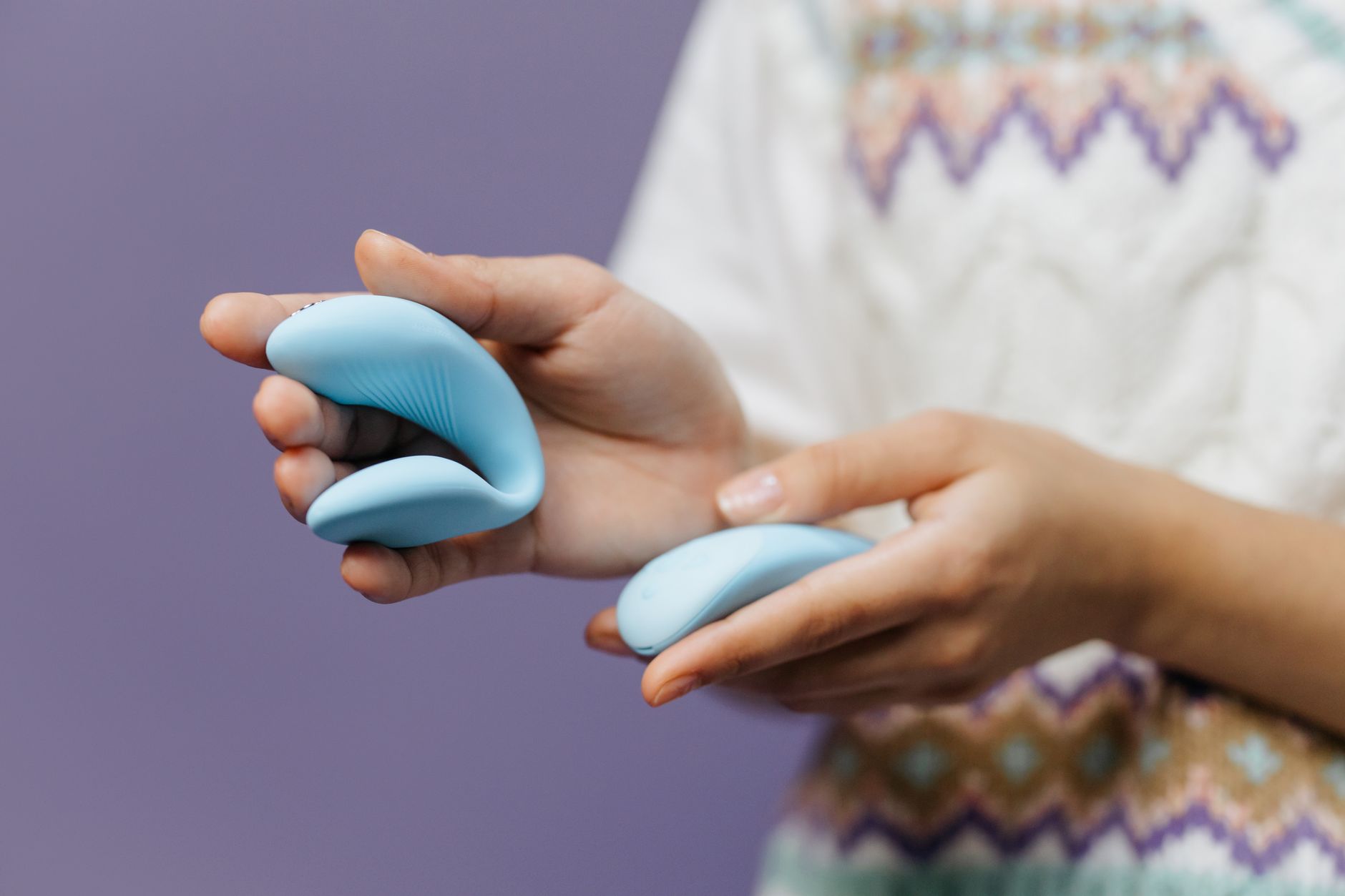
The good news: shame is learnable and unlearnable. This takes time, patience, and a willingness to be gentle with yourself. Tools like the Lem can be part of that recovery, not as a fix, but as a permission slip your body learns to trust.
How shame blocks arousal at a physical level
When you carry shame about sexuality, your nervous system stays partially activated even when you're alone. Your pelvic floor stays tense. Your breathing stays shallow. Your mind stays alert for danger.
Arousal requires the opposite state. It requires your nervous system to feel safe enough to drop into parasympathetic activation (rest and digest, not fight or flight). Without that safety signal, your body won't produce the blood flow, lubrication, and neural responsiveness that allow pleasure to build.
This is why many people recovering from sexual shame report numbness or disconnection. It's not that the nerve endings are damaged. It's that the nervous system is too defended to let sensation through.
Using a lemon clitoral vibrator specifically helps because air-suction stimulation (like the Lem) bypasses the need for the heavy cognitive load of "am I doing this right." It provides consistent, non-judgmental sensation that your body can gradually learn to receive.
Start with safety, not sensation
The first phase isn't about achieving anything. It's about learning that your body is a safe place to be.
Before you even turn on a lemon vibrator, spend time simply holding it, looking at it, letting it be in your space without pressure. This sounds silly until you've done it. For people carrying deep sexual shame, an adult toy can feel transgressive just sitting on the nightstand. The nervous system needs time to normalize that object before it can relax enough to use it.
When you're ready, try this: turn on the Lem on the lowest setting and hold it against your inner arm or inner thigh. Not the clitoris yet. Just your skin. Feel the sensation without the goal of arousal. The point is to teach your body that this device is safe, that sensation itself is safe, and that you can stop at any time.
Many of my clients find that this single step shifts something. You're not being "bad." You're being curious about your own body in a controlled, boundaried way.
The permission narrative matters more than the vibrator
Here's what I notice: people who recover sexual pleasure fastest aren't those with the most expensive toys. They're those who build a narrative where pleasure is allowed.
As you use the Lem, you're essentially building new neural pathways. You're creating a memory that says: "I touched myself. I didn't die. I didn't become a worse person. The sky didn't fall. And I felt something good."
This requires internal messaging. While using a lemon vibrator, notice what thoughts arise. If shame or guilt surfaces, name it without judgment: "There's that voice again." Then gently redirect: "I'm safe. My body deserves this. I'm allowed to feel good."
This isn't positive thinking bullshit. It's reprogramming. You're literally building the neural pathways that allow the nervous system to feel safe during pleasure.
Why air-suction clitoral vibrators like the Lem work particularly well here
Lemon sexual toys and air-suction devices like the Lem have a gentler entry point for shame recovery because they don't require penetration or deep internal engagement. Many people recovering from sexual shame find penetration (even the idea of it) triggering. The physical sensation or the psychological weight of it can reactivate the nervous system's threat response.
The Lem is external. It's non-penetrative. It mimics oral sensation in a way that many people find less psychologically loaded. You're building safety and pleasure in a way that doesn't hit the most defended areas.
Start on the lowest setting (usually labeled 1 or 2 on most lemon clitoral vibrators). You're not chasing intensity. You're building the felt sense that sensation is safe, that your body is yours, and that you're allowed to feel good.
The partner conversation, if there is one
If you're in a relationship, your partner needs to understand that this recovery isn't about them or about your desire for them. It's about you rebuilding trust in your own nervous system.
Many partners feel hurt or rejected when someone says "I need to explore my sexuality alone." Frame it clearly: "This isn't about you not being enough. It's about me learning that my body is safe, and that I'm allowed to have pleasure. This is for both of us, eventually, but right now it's just for me."
If your partner pushes back, that's information. Healthy partners support this work. They understand that you can't skip this step and expect the sexual part of your relationship to heal.
For those rebuilding intimacy with a partner after shame recovery, that's a different conversation. When you've already done the solo work, the shared work becomes possible.
Managing the guilt when it surfaces
Guilt will surface. You'll use a lemon vibrator and feel shame afterward. That's not failure. That's your nervous system processing decades of messaging.
When it happens, don't fight it. Don't spiral into "see, I knew I was bad." Instead, acknowledge it: "That's the old message. My body isn't bad. My desire isn't shameful. Pleasure is something I deserve."
Some people find that journaling after helps. Write down what came up. What were the specific thoughts? Where did you feel them in your body? This isn't rumination. It's witnessing. Over time, the guilt surfaces less often and with less intensity.
The timeline is unpredictable
Some people reconnect with pleasure in weeks. Others take months or years. Both are normal. Shame isn't a thing you overcome once. It's something you gradually teach your nervous system isn't necessary anymore.
Use the Lem regularly, but not obsessively. Once or twice a week is enough to build new neural pathways. The goal isn't to feel amazing yet. The goal is consistency and self-compassion.
If you find yourself unable to move past panic or freeze responses, consider working with a therapist trained in trauma or somatic therapy. A professional can help you understand where the shame is rooted and can provide tools to help your nervous system feel safer. Tools like the Lem are supportive. They're not substitutes for professional help if you need it.
FAQ
How long does it take to recover from sexual shame using lemon vibrators?
There's no fixed timeline. Some people feel a shift in weeks of consistent use. Others take months or longer. What matters is showing up regularly without expectations. Your nervous system is learning that pleasure is safe. That learning happens gradually. If you notice any softening of shame, any moment where you felt less guilt, that's progress worth acknowledging.
Can I use a Lem vibrator if I have religious trauma around sexuality?
Absolutely. In fact, people with religious trauma sometimes find that solo exploration with a lemon clitoral vibrator feels less activating than partnered sex, because there's no external judgment to navigate. You're alone with your own body. That can be the safest starting point. If you find yourself stuck in intense guilt loops, though, a trauma-informed therapist can help alongside the physical exploration.
What if I freeze up when I try to use the vibrator?
Freezing is your nervous system saying "this doesn't feel safe yet." Don't push through it. Return to the earlier step of just holding the device, being near it, normalizing it in your space. You might also try using it on a different part of your body first, somewhere less psychologically loaded. Your inner thigh or arm can be a good starting point before moving to the clitoris.
Is it normal to feel guilt after using lemon sexual toys alone?
It's incredibly common, especially if you grew up with messaging that masturbation was wrong. The guilt is the old programming activating. You're not actually doing anything wrong. Your body is learning that it's safe. When the guilt comes, notice it without fighting it, and gently remind yourself that pleasure is something you deserve. Over time, the guilt becomes quieter.
Can using a lem vibrator help rebuild intimacy with a partner after shame recovery?
Yes, but there's an order. Do the solo work first. Build your own relationship with pleasure and your own body. Once you've started reconnecting with sensation independently, that confidence and safety translates into the partnered experience. You're no longer trying to perform or prove something. You're bringing a body that knows it's allowed to feel good. That changes everything.
What if my shame is tied to something specific like assault or abuse?
In this case, professional support is essential. A trauma-informed therapist can help you process what happened and rebuild safety in your nervous system before or alongside solo pleasure exploration. Tools like lemon vibrators are supplementary. The core healing happens in therapy. Don't try to skip that step.
You don't have to earn the right to feel good
Shame whispers that you're broken, that you need to fix yourself first, that pleasure is something you'll deserve later. None of that is true. Your body is allowed to feel good right now, exactly as it is, with whatever history it carries.
Using a lemon vibrator isn't about becoming a different person or shedding your past. It's about telling your nervous system: I'm safe now. My desire is allowed. My pleasure matters. And I'm worth the time it takes to rebuild that.
If you're stuck or struggling with this recovery process, you don't have to figure it out alone. Reach out to a therapist or counselor who specializes in sexual health and trauma. Support exists, and you deserve it.