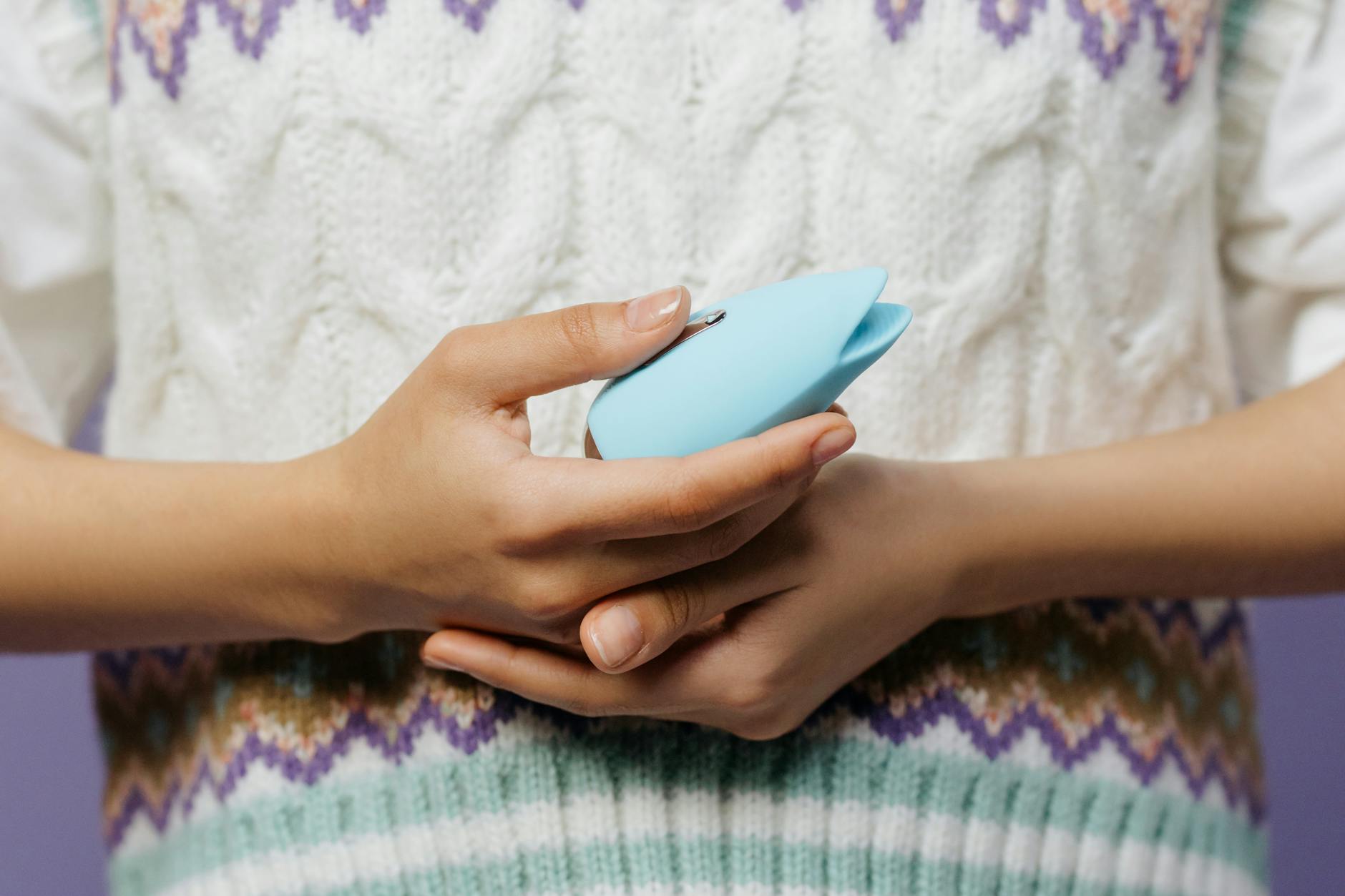
Let's name what's actually happening here
Years without sex doesn't mean years without desire. It means years of disconnection, maybe unresolved hurt, maybe just life getting in the way. When you're trying to reconnect with a partner after a long hiatus, you're not starting from scratch. You're starting from a place of history, familiarity, and probably some awkwardness. That's different. That's actually harder in some ways.
The body remembers pleasure, but the brain forgets how to ask for it. Lemon vibrators, and clitoral vibrators in general, become a tool not just for sensation but for permission. They give you and your partner a way to restart without the pressure of "traditional" sex, which often feels like too much after years away.
Why reconnection is harder than starting fresh
When you haven't had sex in years, a few things happen physiologically and emotionally. Your nervous system learns to expect that intimacy won't happen, so it stops sending the signals that lead to arousal. Your pelvic floor can tighten from disuse or emotional guardedness. And emotionally, shame often creeps in. You might worry that your partner finds you different now, or that you've lost the ability to feel pleasure the way you used to.
Here's the thing: none of that is true, but it all feels real. The nervous system doesn't know the difference between "I'm actually unsafe" and "I believe I'm unsafe." So your body protects itself by staying shut down. A lemon clitoral vibrator works here because it bypasses some of that protective mechanism. It doesn't ask for permission from your nervous system. It just stimulates the nerves directly, which can help rewire the pathway between "vibration" and "pleasure" before the shame gets a vote.
The conversation before the toy
This is the critical part that determines whether the vibrator helps or creates more distance. Before you introduce a lemon sucker or any clitoral vibrator, you and your partner need to talk about why you're doing this. Not philosophically. Practically.
"I want to reconnect physically, and I'm nervous about it" is a real sentence. "I don't know if my body still works that way" is also real. "I want us to try something that might feel less pressured than regular sex" is exactly the conversation to have.
What you're doing is separating the toy from performance anxiety. You're saying: this isn't about orgasm. It's about sensation. It's about remembering that pleasure exists. Your partner needs to hear that. They need to know you're not testing them or hiding something with the toy. You're inviting them into a slower, gentler version of reconnection.
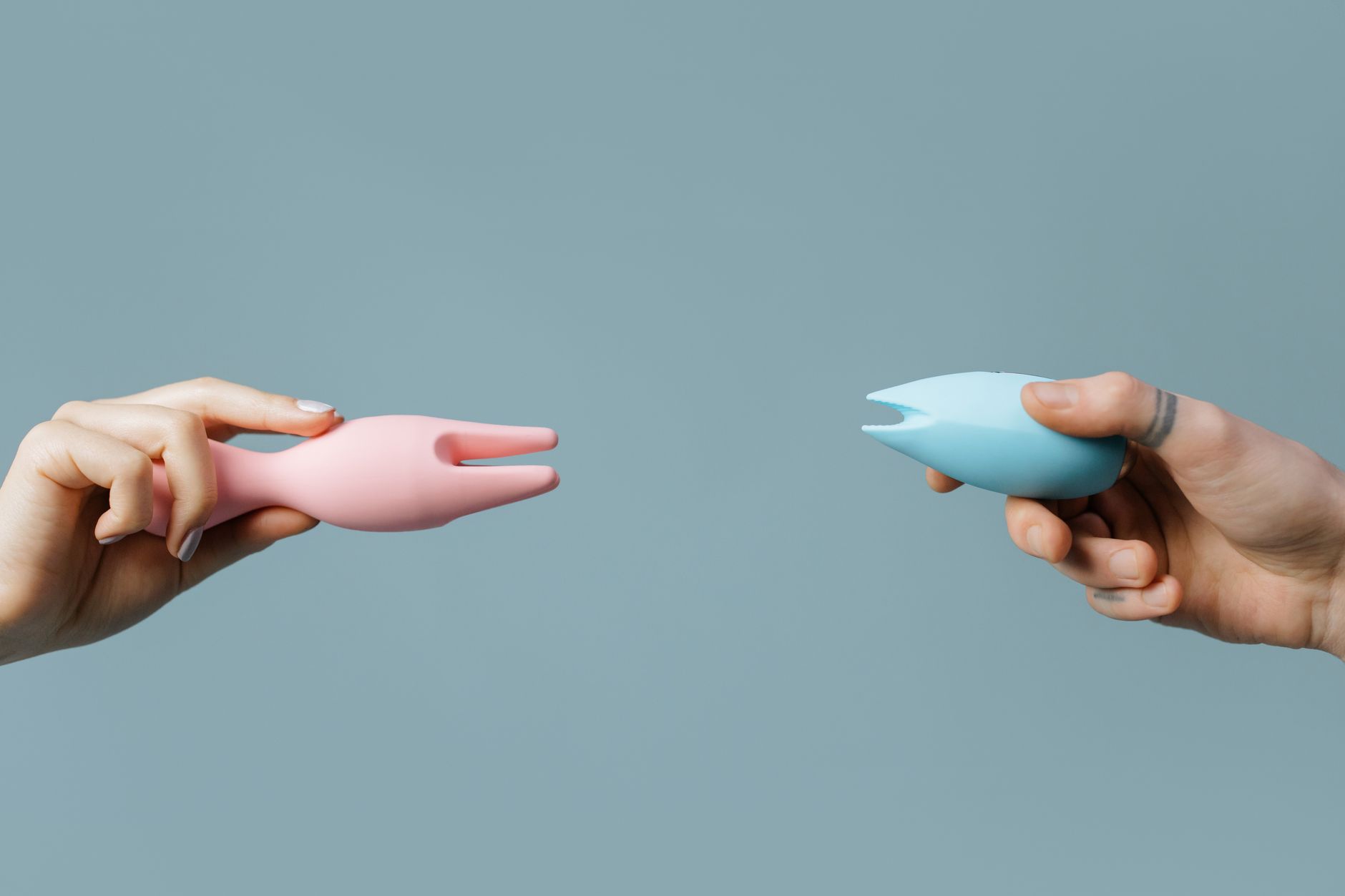
Photo by cottonbro studio on Pexels
How to actually start
First, both of you should get comfortable with the toy alone. I tell couples this all the time: don't put a lemon vibrator in the picture until each of you has used it on yourself and understands what it does. This removes the mystery and the performance pressure. If you're using a clitoral vibrator for the first time in years, you need to know what it feels like when there's zero expectation.
Start with the lowest setting. The Lem vibrator has multiple patterns, so begin at pattern 1 or 2. The sensation should feel novel, not overwhelming. Spend 5 to 10 minutes just getting reacquainted with what vibration feels like on your body. Notice whether your nervous system relaxes or tightens. If it tightens, pause. That's information. Your body is telling you something.
Many people report that after years without sexual touch, the first session isn't about orgasm. It's about feeling something move through your body again. Permission to feel something. That's the real work.
Bringing your partner into the picture
Once you're individually comfortable, introduce the toy during partnered time together. Don't make it the entire event. Use it as part of foreplay, as one way to build arousal rather than the only way. This normalizes it in the relationship and prevents it from becoming the thing you depend on.
The most effective setup I've seen: start with touch and conversation. Hold each other. Kiss. Remind yourselves what your partner's body feels like. Then, when you're both relaxed, one of you introduces the lemon vibrator. Not as a replacement for their hands, but as a tool they can use alongside their hands.
The partner using the toy should pay attention. Not to "how to make an orgasm happen," but to how their partner's body responds. Do they relax into it? Do they guide your hand? Do they ask for a different pattern? These micro-responses are how you rebuild communication around pleasure after years of silence.
Managing the nervous system
After a long hiatus, your body might feel unfamiliar to you. The clitoral tissue might be less sensitive from years without stimulation, or it might be hypersensitive because you're nervous. Both are normal. Both will normalize with time and repeated, low-pressure exposure.
If sensation feels muted, resist the urge to turn up intensity immediately. That's your nervous system protecting you. Instead, use this time to breathe and relax. Deep breaths shift your nervous system from fight-or-flight into rest-and-digest, which actually improves sensation. Try this: 4-count in, 6-count out. Do that for a minute before reintroducing the vibrator.
If sensation feels too intense, you're probably holding tension somewhere. Check your jaw, your shoulders, your thighs. Clench them hard for 5 seconds, then release. Repeat a few times. This helps discharge the nervous energy that's making everything feel overwhelming.
The timeline nobody talks about
Honestly: reconnecting after years takes longer than you think it should. Your brain knows logically that sex is safe with your partner. Your nervous system doesn't know that yet. It needs repeated, positive experiences before it rewires.
I usually tell couples to plan for 4 to 8 weeks of consistent, low-pressure exploration before expecting things to "feel normal again." That means 2 to 3 times a week of touching, using lemon vibrators, being present with each other without a goal. Not sex. Just reconnection.
During this time, you'll probably notice patterns. You'll discover that you like certain patterns on the Lem vibrator more than others. You'll learn that some times of day are better than others. You'll find that your body relaxes faster when you do it in a particular place, or with particular music, or after a particular kind of conversation. Document that. It matters.
When to slow down or pause
If pain shows up, stop. Not "keep going and see if it passes." Stop, and talk to a doctor. Pain during reconnection is not normal and not something to push through.
If you notice yourself dissociating (feeling like you're watching from outside your body, or feeling numb even when being stimulated), pause. That's your nervous system saying it's still not ready. That's real data. Take that pressure off and go back to non-sexual touch for a while.
If resentment creeps in (about the time lost, about your partner's role in the hiatus, about anything), that's also a signal to pause the physical reconnection and address the emotional piece. You can't use a lemon vibrator to fix a trust problem. You can only use it once some trust is being rebuilt.
The role of patience (from both of you)
If you're the partner watching your partner reconnect with their own pleasure, your job is to be present without expectation. Don't try to fix it. Don't offer suggestions if they haven't asked. Don't worry if the first time looks awkward or mechanical. It is supposed to. You're rewiring years of disconnection. That takes time.
If you're the one reconnecting, your job is to be honest about what you need. If you need to go slower, say so. If you want more or less touch from your partner, say so. If a particular pattern on the vibrator feels better, that's information to share.
Reconnection works when both people understand they're not trying to recreate what you had. You're building something new from a foundation of history. That's actually more stable than starting from scratch.
People also ask
Is it normal to feel awkward using a clitoral vibrator with a partner after years apart?
Completely. You're reintroducing vulnerability after a long time of not being vulnerable sexually. Awkwardness is part of it. The weird, uncomfortable feeling usually passes by the third or fourth time. What matters is that you're both showing up despite the discomfort.
How long does it take to feel desire again after years without sex?
That varies a lot. For some people, desire returns within a few weeks of low-pressure touch and exploration. For others, it takes 2 to 3 months of consistent, patient reconnection. Desire is partly physical (the nervous system rewiring) and partly emotional (trust rebuilding). Both take time. Don't rush the timeline.
Should we use lemon sexual toys instead of partnered touch?
No. Adult toys are a tool within partnered intimacy, not a replacement for it. The vibrator helps open the door to sensation and pleasure, but your partner's presence, their hands, their voice, their attention - that's what actually rebuilds intimacy. The vibrator is the gateway, not the destination.
What if one partner wants to reconnect faster than the other?
This is where the real conversation happens. The partner who wants to move slower is not being difficult or rejecting the other. They need more time for their nervous system to feel safe. The partner who wants to move faster needs to understand that pushing will actually lengthen the process. Matching pace, even if it feels slow, gets you there faster. That's counterintuitive but true.
Can we use lemon vibrators if we're not sure we want to stay together?
That's a question for a couples therapist, not for a vibrator guide. If you're in that space of uncertainty, reconnecting physically before resolving the emotional stuff might actually make things more confusing. Consider doing some relational work first. Physical reconnection works best on a foundation of mutual commitment, even if that commitment is just "let's try." If you're both willing to try, the vibrator can be part of that attempt. If you're hedging, address that first.
What if we try and it doesn't work?
Then you have information. You learned that one or both of you need more support than self-directed reconnection can provide. That's what therapists are for. The vibrator was never the solution. It was always just a tool. If the tool isn't enough, you get other tools - like professional support.
The actual goal
Reconnecting after years apart isn't about having sex the way you used to. It's about rebuilding the nervous system's trust that pleasure is possible, that your partner is safe, that your body still works. A lemon clitoral vibrator helps with that by offering a gentle, controllable form of stimulation that doesn't carry the weight of traditional sex. It's a low-stakes way to say: I want to feel good again, and I want you with me while I do.
That's a big thing. Take the time it needs. The Lem vibrator will still be there when you're ready. So will your partner, if they're really there for reconnection. Use the time to rebuild, not to rush.