Here's what numbness actually is
Let's start by getting real: you're not broken. Clitoral numbness usually isn't permanent nerve damage. It's typically your body adapting to intense stimulation over time, or sometimes it's a side effect of medication, hormonal changes, or just fatigue catching up. The good news is that sensation can come back, and understanding what's happening makes the rebuild both easier and faster.
Your clitoris has roughly 8,000 nerve endings packed into a tiny area. When you use a vibrator regularly at high intensity, especially for extended sessions, those nerves get fatigued. Think of it like how your hand goes numb when you hold pressure on something for too long. That doesn't mean the hand is damaged. It means the nerves need a reset.
Why taking a break matters (even though you don't want to)
The fastest way to restore sensation is to actually stop using vibration for a while. I know that feels counterintuitive when you're already frustrated about numbness. But here's the neuroscience: your nervous system needs to recalibrate. A two to four-week pause usually does it. During that time, your clitoris remains sexually functional, but you're giving it the reset it needs.
If complete abstinence feels impossible, use your vibrator half as often, at half the intensity, for half the duration. If you normally use it five days a week at pattern 8 for 20 minutes, shift to three days at pattern 3 for 10 minutes. This still gives your nervous system space to recover without feeling like deprivation.
The comeback approach with the Lem
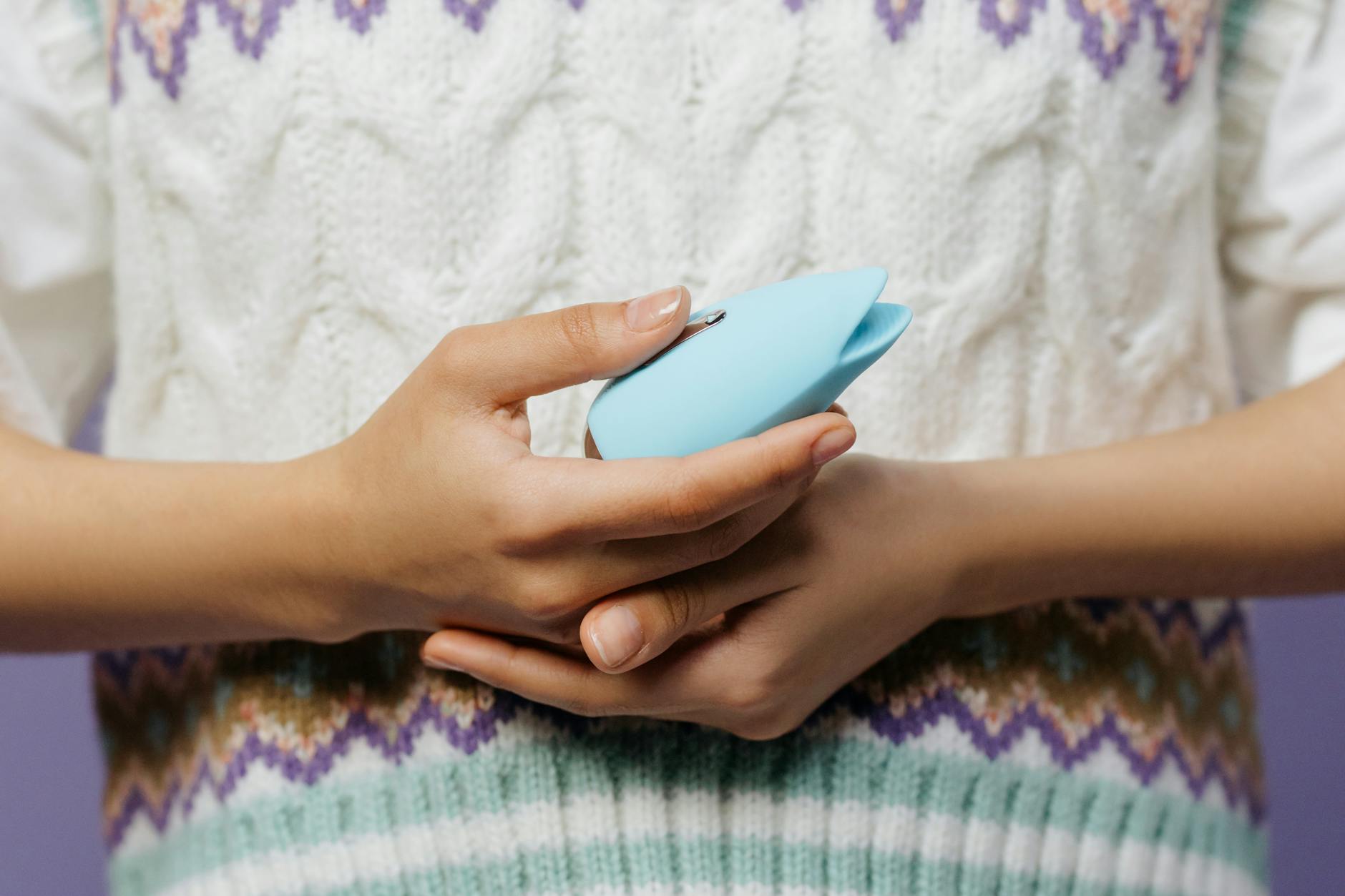
When you're ready to reintroduce the lemon clitoral vibrator, start low and slow. Literally. Set it to pattern 1 or 2. The Lem's suction technology actually works beautifully for this because it stimulates nerve endings without the aggressive friction of a traditional vibrator. That means you get sensation rebuilding without the overstimulation that caused the problem in the first place.
Start with 5 minutes, not 20. Your goal isn't orgasm. Your goal is to reawaken sensation. Pay attention to what you feel. Is there warmth? Tingling? A sense of pressure? These are all good signs that your nervous system is waking back up. Stop before you feel numb again. This is the opposite of pushing through.
Increase slowly: add 2-3 minutes every few sessions, and move up one pattern level every week. If pattern 3 feels like too much, stay at 2 for another week. There's no prize for speeding this up.
Why partner involvement helps (or hurts)
If you're partnered, bring them into the conversation. Many people in your situation either ghost on sexual connection entirely or push their partner away because the numbness feels embarrassing. Neither helps. Here's what actually does: "I'm rebuilding sensation right now, and I need us to go slower and gentler for a few weeks. That's not permanent, and it's not about you."
This reframes the situation from "my body is broken" to "we're recalibrating together." That's not a small shift. Partners who understand the timeline (two to four weeks, typically) are much more likely to be patient. Partners kept in the dark usually feel rejected and either create pressure or withdraw.
If a partner is resistant, exploring your needs without pressure is worth reading about separately. Numbness recovery requires patience, and impatience from a partner usually makes the problem worse, not better.
Non-vibration sensation work while you rebuild
During your recovery period, you still have pleasure available. You're just accessing it differently. Hands, fingers, the suction from mouths (yes, that's gentler than you might think), and even something as simple as running a soft fabric over your clitoris all activate different nerve pathways than vibration. By varying stimulation types, you're also training your nervous system to respond to a broader range of sensation.
Massage the area around your clitoris, not just the clitoris itself. The vulva has incredible sensitivity that many people never explore because they jump straight to intense vibration. Spend time discovering what indirect stimulation feels like. Often this period reveals new preferences people didn't know they had.
If you're solo, this is actually a gift. You get to explore your body without the pressure of someone else's timeline. Lie in bed without any goal except curiosity. What feels good? What surprised you? What had you forgotten about? This data will be useful once you reintroduce the Lem.
When medication or hormones are the culprit
Sometimes numbness isn't about vibrator overuse. Certain antidepressants, hormonal birth control, or hormonal changes can all reduce clitoral sensitivity. If you started medication recently and notice numbness at the same time, that's probably connected. The same rebuild strategy works, but you might also want to talk to your doctor about adjusting timing or dosage. Some people find that using lemon vibrators strategically around medication timing makes a huge difference.
With hormonal birth control, sometimes switching methods helps. With antidepressants, sometimes the body adjusts over time, and numbness improves without any changes. It's worth asking your prescriber if this is a known side effect and if there are options.
The psychology piece nobody talks about
Here's something I see constantly: people recover physical sensation but stay stuck in the anxious loop of "is it coming back?" that actually prevents pleasure from feeling good. Every time you use your vibrator, you're subconsciously checking: "Can I feel this yet?" That checking is its own kind of numbing because it puts you in your head instead of in your body.
Instead, shift the question. Instead of "Am I recovered yet?" ask "What am I enjoying right now?" That's not toxic positivity. It's actually how neuroplasticity works. Your brain follows your attention. If all your attention is on the problem, your brain keeps searching for the problem. If your attention is on sensation itself, your brain lights that up instead.
This is especially true if the numbness arrived alongside stress, burnout, or depression. Physical sensation recovery often mirrors emotional reconnection. You might need to address both at once.
When to push a little harder
After four to six weeks of gentle rebuilding, if sensation is returning, you can gradually increase intensity again. The difference is you'll be doing it mindfully. You'll understand now that sensation fades if you push too hard, so you'll be self-protective in a way you might not have been before.
Some people find that alternating between high and low intensity works better than staying in the middle. One session at pattern 2, one at pattern 5, one at pattern 3. This variation keeps your nervous system responsive instead of adapting to a single rhythm.
If after six weeks of consistent gentle use you're still not feeling much, talk to a doctor. True nerve damage is rare, but it exists. A gynecologist who specializes in sexual health can do a simple assessment and either rule out damage or recommend targeted treatment.
The patience part actually matters
I know it's annoying to hear that pleasure recovery takes time. You want it now. But the people who get the best results are the ones who treat this like physical therapy, not a punishment. You wouldn't run a marathon two weeks after spraining your ankle. You'd rehab it. This is the same thing.
Your sensitivity will come back. The lemon vibrator will feel amazing again. You'll probably also discover you have more nuanced pleasure than you did before. That's not a small thing.