Here's what no one tells you about desire mismatch
One partner wants sex three times a week. The other wants it once a month. Neither is broken. Both feel abandoned. This is one of the most common relationship conflicts I see in my practice, and it's also one of the most fixable ones. Most couples never actually solve it because they're trying to change each other's libido instead of changing how they approach pleasure together.
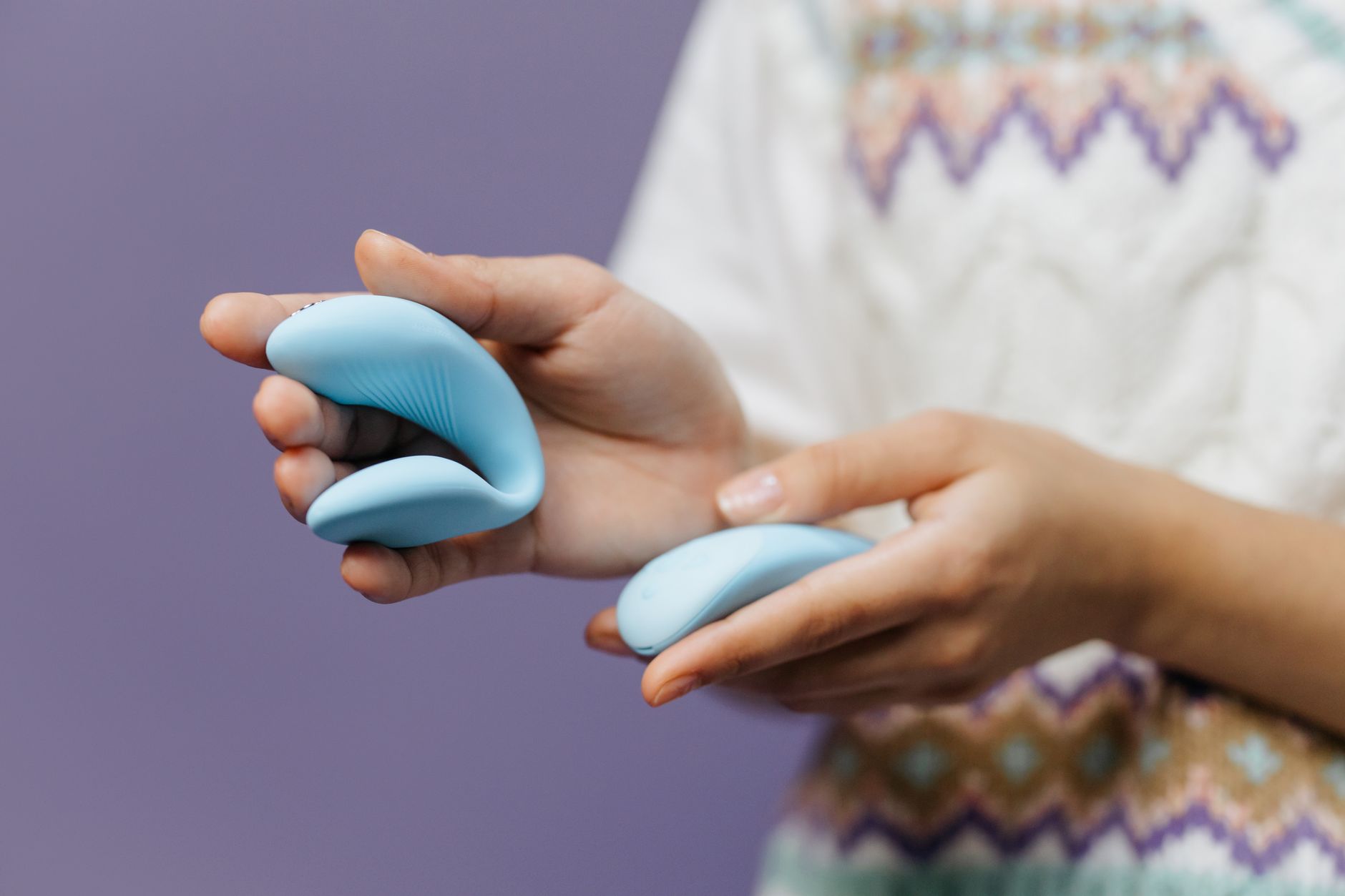
That's where tools like lemon clitoral vibrators come in. Not as a replacement for your partner. As a translator.
Why mismatched libido isn't really about libido
Here's the pattern I see repeatedly. The higher-desire partner feels rejected. The lower-desire partner feels pressured. Sex becomes transactional instead of connecting. Both people feel resentful, which makes desire even lower for whoever was already reluctant.
But libido mismatch is rarely actually about how much sex each person wants. It's about context. Timing. Energy. Stress. Whether someone feels heard. Whether they feel wanted beyond just the physical act.
I had a client once who said her partner wanted sex every day, but she wanted it once a week. Sounded like a big gap. Then I asked her what happened on the days she said no. She said, "He gets distant. Quiet. Sometimes angry." That wasn't a libido problem. That was a rejection sensitivity problem wearing a libido disguise.
What a clitoral vibrator actually changes
A lemon vibrator or other clitoral vibrator doesn't solve mismatched libido. It dissolves the frame that created the problem in the first place.
When the lower-desire partner has a tool that lets them experience pleasure on their own terms and timeline, something shifts. They're no longer performing. They're not managing someone else's disappointment. They're not the gatekeeper of their partner's satisfaction. That removes about 80 percent of the pressure.
For the higher-desire partner, it offers something too. The ability to be present with their partner's pleasure without making it about themselves. To witness and participate without needing anything in return. That's actually really connecting.
Here's what changes practically.
Strategy 1. Pleasure dates instead of sex schedules
Stop trying to negotiate how often you have sex. Start planning times when you're both available to explore pleasure together. No performance expectations. No finish line.
One partner uses a lemon vibrator. The other partner touches them, watches, talks to them, learns what they respond to. No pressure to reciprocate immediately. No ticking clock.
This does two things. First, it removes the frame where sex is something that has to happen a certain number of times per week. Second, it creates space for the lower-desire partner to warm up without feeling rushed. And it gives the higher-desire partner an outlet that isn't dependent on their partner's spontaneous arousal.

Photo by cottonbro studio on Pexels
Strategy 2. Solo pleasure as foreplay, not replacement
If you're the higher-desire partner, one of the most generous things you can do is give your partner permission and space to pleasure themselves with a clitoral vibrator while you're present. Not watching like it's a show. Actually there. Touching them. Connecting.
For someone with lower desire, this often feels safer than partnered sex. They're in control. They know exactly what they need. They're not managing your experience or worrying whether they're taking too long or not responding fast enough.
And here's what happens next. Once they've had pleasure that way a few times without shame, they often start wanting more partnered contact. Not because you convinced them. Because they remembered what it felt like to actually enjoy it.
Strategy 3. Separate the conversation from the body
This is maybe the most important part. Have the real conversation about desire mismatch when you're not in bed. When you're not touching. When no one's aroused or frustrated.
Talk about what's actually happening. Is the lower-desire partner stressed about work? Do they feel emotionally disconnected? Are they dealing with medication side effects? Are they scared of pregnancy? Do they have a history of shame around pleasure that nobody's actually addressed?
Often when I drill down on this, the real issue isn't libido. It's that someone doesn't feel safe enough to want sex right now. A clitoral vibrator can't fix that. But a conversation about what safety looks like? That can.
Once you know what's actually going on, a vibrator becomes a tool that supports both people instead of a Band-Aid over the real problem.
Why the Lem and similar lemon vibrators work specifically for this dynamic
Clitoral vibrators with suction-based stimulation like the Lem are particularly useful for mismatched libido situations because they're different from partnered sex. They require less arousal to feel good. They don't require someone to be in a specific headspace. And they're genuinely pleasurable on their own terms, not as a stepping stone to something else.
For someone with lower desire, this matters. You're not using a tool to try to match your partner's pace. You're exploring what actually feels good to you. And most people discover their pleasure is richer and more varied than they thought when they stop performing for an audience.
What doesn't work (and why)
Don't use a vibrator as a guilt trip. Don't suggest it in a way that says, "Well, if you won't have sex with me, at least you can use this." That's not a solution. That's weaponizing pleasure.
Don't assume that one partner using a lemon vibrator means the other partner gets off the hook for emotional intimacy. Pleasure tools supplement connection. They don't replace it.
Don't introduce a vibrator as an alternative to sex. Introduce it as an expansion of what sex and pleasure can look like together. Those are completely different conversations.
The real shift that happens
When couples move from fighting about how often they have sex to exploring what pleasure actually looks like for both of them, the dynamic changes completely. Suddenly the higher-desire partner isn't chasing someone who's running away. And the lower-desire partner isn't managing guilt and pressure.
Both people get to want what they actually want instead of just reacting to what the other person wants from them. That's when desire often shifts. Not because anyone's libido magically matched. But because pleasure stopped being about performance and became about connection.
A lemon clitoral vibrator is just a tool. But it's a tool that says: Your pleasure matters. On your timeline. In your way. And we can figure this out together.
People also ask
Can using a vibrator make my partner feel like they're not enough?
Only if you frame it that way. If you introduce it as, "I need this because you're not satisfying me," yes. But if you frame it as, "I want to explore my own pleasure and I'd love to share that with you," it's completely different. The difference is whether the vibrator is pointed at your partner or at yourself. Most partners actually feel relieved when the pressure to be everything for their partner's pleasure lifts.
What if my partner is uncomfortable with vibrators?
That discomfort usually comes from something specific. Fear that it means they're not enough. Lack of familiarity. Sometimes shame around sex in general. Start there. Ask what the actual concern is instead of trying to convince them. Often people are uncomfortable because they've never talked about it. Once it's part of the conversation, not a surprise in the bedroom, comfort usually follows.
Should we use the vibrator together or separately?
Both. Separately at first if anyone feels shy about it. Solo exploration gives people privacy to figure out what they actually like without managing someone else's reaction. But together is where the real intimacy deepens. When you're present for your partner's pleasure, when you're not making it about yourself, something shifts in how safe people feel being vulnerable.
Does using a lemon vibrator mean we're having less "real" sex?
No. And that framing is the problem. Sex isn't real because it's penetrative. Sex is real because two people are connecting. A clitoral vibrator is just a different way to connect. Some of my clients report that their partnered sex improved because they both relaxed. When the lower-desire partner isn't anxious about performance and the higher-desire partner isn't desperate, both people actually enjoy what's happening.
What if we try this and nothing changes?
Then you probably need to talk to someone. A sex therapist or relationship counselor. Sometimes libido mismatch points to something deeper. Resentment. Unresolved conflict. Sometimes one person actually isn't happy in the relationship and that's what's showing up as low desire. A vibrator can't fix those things. But a professional who specializes in couples work can.
How do I bring this up without making it seem like I'm criticizing them?
Lead with curiosity and your own experience, not blame. "I've been thinking about pleasure lately and I want to explore more together" is different from "Your libido is the problem." Make it about what you want, not what they're not giving you. And timing matters. Not in the middle of intimacy. Not during an argument. Just a regular conversation where you're both calm.
The real work starts with talking
I talk about this constantly with couples. The vibrator isn't the solution. The conversation is. Tools like lemon sexual toys just make the conversation easier because they give you something concrete to work with. Instead of arguing about abstract ideas like "how much sex is normal," you're exploring actual pleasure together.
Mismatched libido doesn't mean mismatched relationship. It means you both need to get curious about what pleasure actually looks like for each person. A clitoral vibrator can be part of that exploration. But it works best when both people actually want to explore.
Ready to have that conversation? Let's talk through what's actually happening in your dynamic. Reach out and we can work through it together.