Let's talk about the thing nobody mentions
Surgery changes your body's arousal response. Whether it's abdominal work, gynecological procedures, or any intervention requiring general anesthesia and healing time, your nervous system is in repair mode. That means blood flow redirects toward the surgical site, sensation gets muted by swelling and scar tissue, and arousal that used to arrive in five minutes might need twenty. This isn't failure. It's biology doing its job.
Most people assume they just have to wait it out until they're "back to normal." But normal isn't coming back the same way it left. The good news? You don't have to wait passively. Understanding how recovery actually works helps you navigate pleasure safely during healing and sometimes discover something better on the other side.
What happens to arousal during post-surgical recovery
Your body's arousal response depends on several things: blood flow to the pelvic region, intact nerve signaling, and the brain's ability to register and respond to sensation. Surgery disrupts all three, at least temporarily.
Swelling is the first culprit. For the first few weeks post-op, fluid accumulation in the pelvis dulls sensation. Touch that would normally spark interest feels muted or even uncomfortable. This peaks around days 3-7, then gradually improves over weeks. Your clitoris is still there, still capable, just temporarily less responsive.
Nerve signaling takes longer. Even minimally invasive procedures can irritate nerves in the surgical area. That irritation causes numbness or hypersensitivity. You might find that sensation is completely absent in some spots and almost painful in others. This usually resolves within 4-12 weeks depending on the surgery type.
Blood flow matters too. Arousal depends on blood rushing to genital tissue. Post-op, your cardiovascular system is busy healing the surgical site, not prioritizing arousal. This shifts your arousal response from automatic to deliberate. You need more time, more stimulation, more patience.
Why The Lem works differently during recovery
Traditional vibrators use direct vibration. That approach can feel overwhelming or even painful on healing tissue. The Lem uses air-suction technology instead, which is exactly what recovery needs.
Here's the difference: suction doesn't pound or vibrate the sensitive tissue. It gently draws the clitoral tissue into a small chamber where gentle pulse waves do the work. For someone in early recovery, this means stimulation without bruising, pressure without harshness. You get arousal-building sensation without triggering inflammation or discomfort around the surgical site.
The patterns matter too. With The Lem, you can start at pattern 1 or 2. These feel like a gentle, rhythmic hum rather than intense vibration. You're not fighting your body's healing timeline. You're working within it.
Timing and readiness during recovery
Most surgical teams clear you for "normal activity" at 4-6 weeks post-op. But normal activity and pleasure aren't the same thing. Your scar is still forming. Tissue is still swollen. Here's what I recommend:
Weeks 1-3: Observation and waiting. Don't introduce any stimulation yet. Your body needs to focus on healing. This is frustrating, I know. But jumping in too early can cause bleeding, dehiscence (the wound opening), or trauma that sets back recovery weeks.
Weeks 3-6: Gentle exploration. Check in with your surgical team first. If you get the green light, start with zero vibration. Just hold The Lem against your clitoral area without turning it on. Notice sensation. Does it feel tender? Numb? Uncomfortable? This information matters. You're not trying to orgasm yet. You're reacquainting yourself with your body.
Weeks 6-10: Slow introduction of pattern 1. Turn on the lowest setting and experiment with pressure. Let arousal build slowly over 20-30 minutes instead of your usual pace. Your body is still redirecting blood flow. Give it time.
Week 10+: Gradual intensity increase. If sensation feels normal and there's no discomfort, you can explore higher patterns. But honestly, many people find they prefer the gentler patterns post-op. Less isn't a downgrade. It's just different.
The mental side of pleasure after surgery
Recovery isn't just physical. Most people feel some combination of disconnection from their body, anxiety about whether sensation will return, and frustration at not being able to do what they used to do.
If you had gynecological surgery specifically, there's often an added layer. Your body was opened, examined, sutured. That's a lot for your nervous system to process. Some people feel fine about it immediately. Others feel touched-out, hypervigilant about their genitals, or emotionally flooded. Both are completely normal.
That's where intentional pleasure comes in. When you introduce arousal slowly and on your own terms, you're sending a message to your nervous system: this space is safe, this touch is yours, you get to decide what happens here. Over time, this rebuilds the sense of ownership and pleasure that surgery can temporarily disrupt.
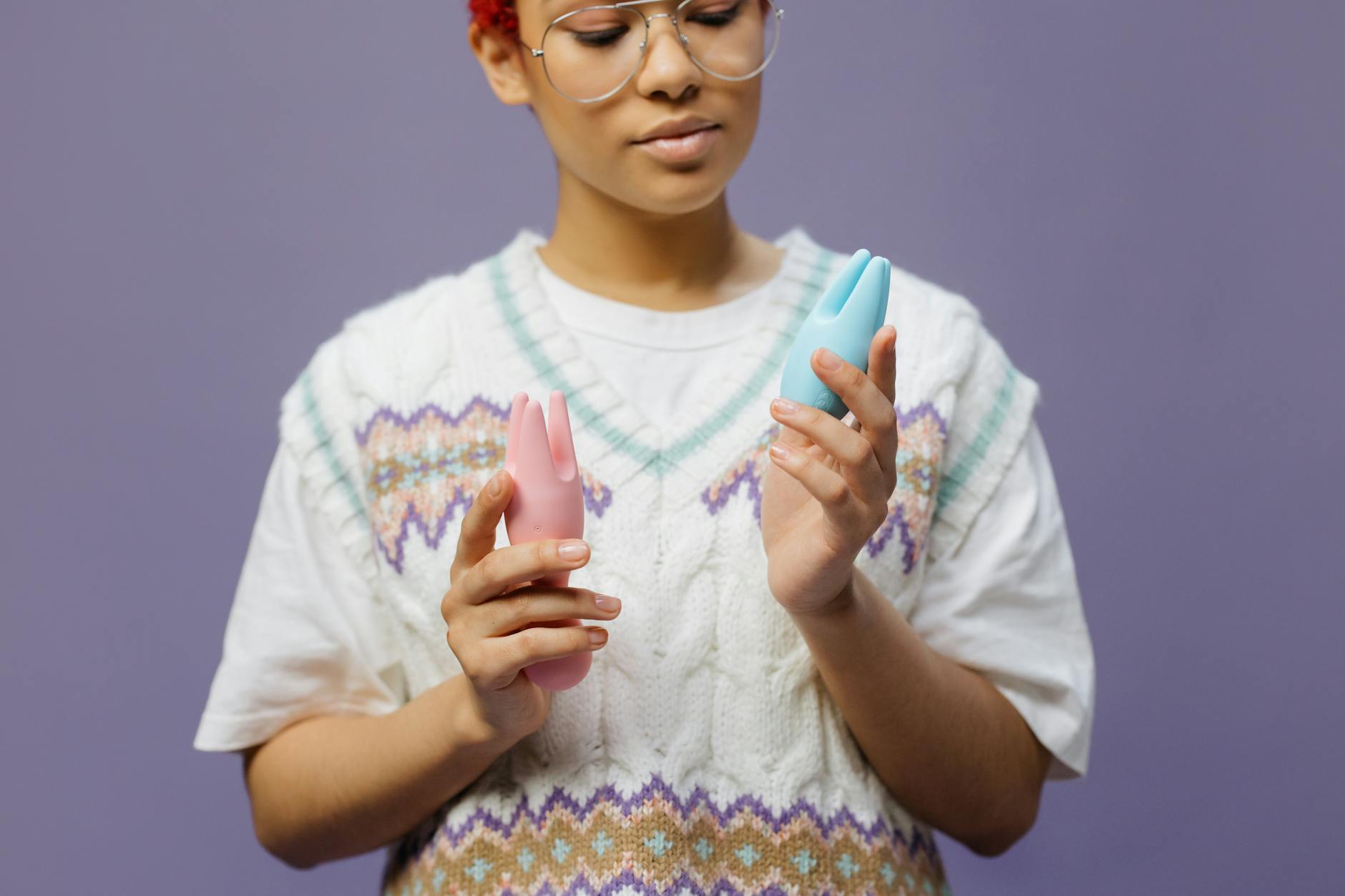
Photo by cottonbro studio on Pexels
When to pause or seek help
Some discomfort during recovery is normal. But there's a line. Stop and call your surgeon if:
- You experience active bleeding or spotting that's more than minimal
- Sudden sharp pain that wasn't there before
- Increased swelling or warmth around the surgical site
- Discharge that smells or looks unusual
- Sensation doesn't begin returning by week 8-10
Hypersensitivity is also worth mentioning to your surgeon. If even gentle touch causes pain, there might be nerve irritation that topical treatments or a specialist's input could help. Don't white-knuckle through it.
Partners and communication during recovery
If you have a partner, this is a good time to reset expectations. Surgery creates distance. Healing timelines don't follow emotional need. You might desperately want physical connection, but your body isn't ready. Or you might feel touched-out and need space from everyone.
The Lem can actually help here because it's something you do solo, at your own pace, with your own timeline. Your partner doesn't have to navigate the awkwardness of being ready before you are, or vice versa. Then, when you're healed, you might explore The Lem together. But that's weeks or months ahead.
Right now, the kindest thing a partner can do is respect the recovery window without making it weird. Touch that isn't sexual. Small gestures. Patience. Then when you're ready, pleasure can come back to your relationship on a stronger foundation.
Recovery teaches you something unexpected. Your body is capable of both breaking and healing. Pleasure during recovery isn't about going back to what was. It's about discovering what feels right now.
Expected timeline and what sensation returns when
Every surgery is different, so this is approximate. But here's what I typically see:
Weeks 1-2 bring numbness and swelling. This is the peak brain fog phase. Don't expect much.
Weeks 3-6 bring the first hints of sensation returning. You'll notice a slight responsiveness when you try gentle exploration. It won't feel like arousal yet. More like a faint whisper of interest.
Weeks 6-12 is when things shift. Swelling reduces significantly. Nerves start firing again. Arousal becomes possible, though often slower and requiring more stimulation than before.
Weeks 12-26 brings gradual return to something closer to baseline. Some people notice their arousal response has actually improved because they've had to be intentional about pleasure instead of automatic.
Beyond 6 months, most people feel fully healed from a sensation perspective. If you're not there by then, that's worth investigating with a pelvic health specialist.
Practical setup for solo pleasure during recovery
When you're ready to try The Lem, create conditions that work with your healing body.
Timing matters. Use it when you're most rested and least stressed. Morning often works better than evening when fatigue sets in. Your nervous system is calmer, which makes arousal easier.
Temperature helps. Some people find that a heating pad near (not on) the surgical site for 10 minutes before stimulation helps blood flow. Check with your surgeon first.
Privacy and quiet are non-negotiable. You need zero interruption anxiety. Your nervous system needs to feel safe to open up.
Start with The Lem at the lowest setting. Use a water-based lubricant even though healing tissue often produces its own moisture. Extra slip means less friction, which means less inflammation.
Give yourself 20-30 minutes. You're not racing to orgasm. You're rebuilding the neural pathways that say "this feels good" and "my body is mine again."
The surprising shift some people notice
This is worth saying because it happens often enough that I want you to know it's possible. Some people emerge from post-surgical recovery with actually stronger arousal than before. Why? They've spent weeks being intentional. They've learned what their body genuinely needs rather than what they thought they should feel.
They've also learned to be patient with arousal. To let it build. To not force it. That patience often translates into better orgasms and more consistent pleasure overall.
I'm not saying surgery is good or necessary. I'm saying that if you're in recovery now, there's potential for something unexpected on the other side.
Frequently asked questions
How long after surgery can I use a clitoral vibrator safely?
This depends on the type and extent of surgery. Abdominal procedures usually allow gentle solo stimulation by week 6 if your surgeon clears it. Gynecological surgery might need 4-8 weeks. Always ask your surgeon directly rather than guessing. When they say "light activity," that's your green light to try gentle exploration.
Can using The Lem during recovery actually slow down healing?
Gentle stimulation at the right recovery stage doesn't slow healing. In fact, increased blood flow can support healing. The risk comes from being too aggressive too early. If you follow the timeline and start with the lowest settings, you're supporting rather than harming recovery.
What if sensation doesn't come back fully?
Some nerve damage from surgery is permanent, depending on what was done and where. If sensation feels significantly different beyond the 12-week mark, talk to a pelvic health physical therapist or a specialized gynecologist. There are treatments and strategies that can help restore or enhance sensation.
Can my partner help with stimulation during recovery or should it be solo only?
That's entirely your call. If you want partner involvement, The Lem can be part of that. Your partner might hold it while you guide pressure and intensity. Or you might prefer solo time while healing and invite partner involvement later. There's no wrong answer as long as both of you are comfortable.
Will my arousal response ever feel the same after surgery?
Probably not the same, but often better. Same implies you return to exactly what was. Better means you integrate what you learned during recovery into how you approach pleasure going forward. Many people find their post-surgery arousal response is actually more reliable because they understand their body's true needs.
Is it normal to feel emotionally resistant to pleasure during recovery?
Completely normal. Your nervous system has been through trauma. Even minimally invasive surgery is trauma. Some people feel grief, some feel protective distance from their body, some just feel exhausted. Give yourself permission to feel whatever comes. Pleasure can return once the emotional processing starts to settle. There's no timeline for that.
Moving forward
Recovery from surgery is a conversation between you and your healing body. The Lem is a tool for that conversation, not a shortcut through it. You use it when your body is ready, at the pace your body needs, for as long as it takes.
If you have questions about your specific recovery timeline or any concerns about how your body is healing, reach out to your surgical team. And if you want support thinking through the emotional side of recovery or how to talk with a partner about timing, get in touch.
Your pleasure matters. Your healing matters more right now. Both are possible when you work with your body instead of against it.